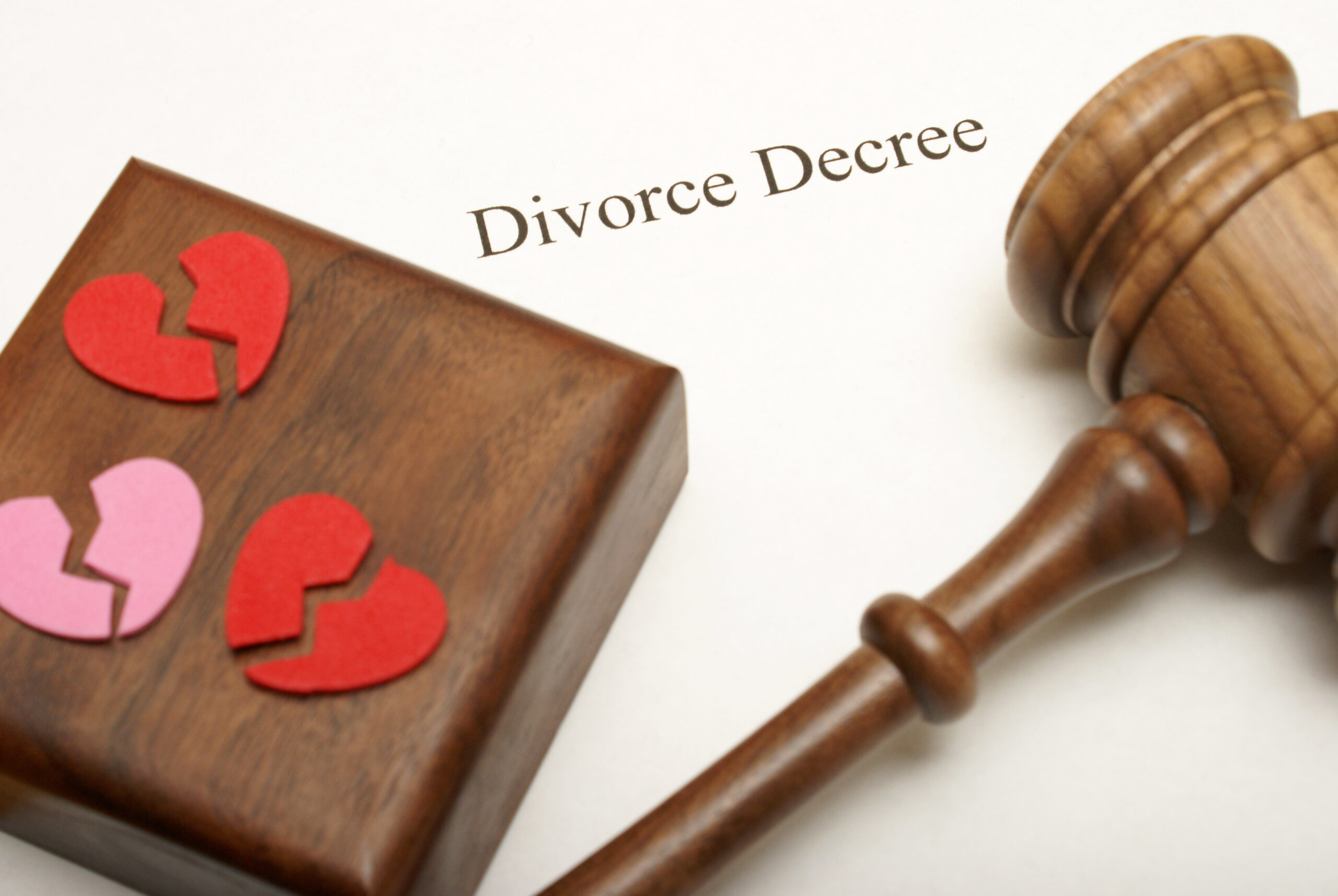
Though same-sex marriage is now legal in all 50 states, some legal issues continue to affect same sex parental rights. This is especially true when same-sex spouses seek a divorce (and statistics show divorces are about as often as heterosexual couples or opposite sex couples).
C.G. v. J.H Case
Custody is a thorny issue where same-sex couples are concerned. One has only to look to a recent case: C.G. v. J.H., ___ A.3d ___, 2017 Pa. Super. 320 (Oct. 10) to see custody issues are anything but straightforward where same-sex couples are concerned.
“The facts of C.G. are as follows: C.G. and J.H. lived together as a same-sex couple in Florida. In October 2006, J.W.H. was born. Approximately five years later, the parties separated. J.H. is the biological mother of J.W.H. According to the opinion, C.G. alleged that she acted as the mother of J.W.H. and that she and J.H. participated in selecting a sperm donor.”
“Six months after the parties separated, J.H. and the child moved to Pennsylvania. Approximately 3½ years after J.H. and J.W.H. moved to Pennsylvania, C.G. filed an action in Pennsylvania seeking shared legal custody and partial physical custody of J.W.H. J.H. thereafter filed preliminary objections challenging C.G.’s standing to seek custody. C.G. responded to J.H.’s preliminary objections “asserting that she had standing under the Child Custody Law both as a parent of the child, … and as a person who stood in loco parentis to the child.”
“The trial court held hearings on the preliminary objections and received conflicting testimony from 16 witnesses about C.G.’s role in the child’s life.” Thereafter, according to the opinion, the trial court sustained J.H.’s preliminary objections and dismissed the custody complaint filed by C.G. with prejudice.” –The Legal Intelligence
Understanding Parental Rights and Adoption for Same-Sex Couples in Pennsylvania
Pennsylvania state law allows children to have two legally recognized parents if parentage is established through birth, adoption, or a court order. For same sex spouses, unmarried same sex couples, or those in a domestic partnership, it is especially important to secure legal parentage through adoption or another formal process. While the law provides equal standing and the same legal rights for same sex couples as opposite sex couples, unique challenges can still arise depending on a parent’s relationship status, marital status, or whether only one is a biological parent.
Why Legal Adoption Matters
If a parent is not recognized as a lawful parent, it can affect custody rights, custody disputes, and access to the child. Marriage alone, or having the other parent’s name listed on the child’s birth certificate, does not automatically guarantee parental recognition.
Second-Parent Adoption
The most reliable way to secure rights is through a second-parent adoption. Adoption ensures that both parents, whether the birth parent or non-biological parent, are recognized as the child’s legal parents and that they share the same legal rights and obligations, including child support and other obligations incident to parenting. Courts in Pennsylvania have made it clear that the absence of a legally adopted status can weaken a same sex partner’s standing in custody cases.
Because the adoption process is complex, it is best to seek legal guidance early, ideally soon after the child is born. This helps protect the parental relationship and each parent’s strong bond with the child, while providing a clear legal framework for the future.
Co-Parenting Agreements
In addition to adoption, some families choose to create a co-parenting agreement. While a co-parenting agreement cannot create legal parentage on its own, it can support your role in custody or parenting disputes. This type of agreement documents both parents’ intent to share in raising the child and helps courts recognize the importance of keeping both parents listed and involved in the child’s life.
Benefits of a Co-Parenting Agreement
- Provides evidence of joint intent to raise the child regardless of sexual orientation.
- Strengthens claims to custody rights in case of disputes.
- Supports decision-making and joint parenting responsibilities in the event of separation.
Doing this while your relationship status is stable can reduce conflict later and demonstrate that the arrangement is in the child’s best interests, should any questions arise about custody or decision-making.
Protecting the Parent-Child Relationship
Whether through adoption, co-parenting agreements, or documenting your involvement in your child’s life, the goal is to safeguard the parent-child relationship. Records of medical visits, school functions, or other documents showing active involvement can be important if a dispute arises. Courts generally prioritize the well-being and interests of the child, and having legal recognition combined with supporting evidence helps protect your family.
If you are facing a divorce in Pennsylvania, you’ll need an experienced LGBTQ+ family lawyer to protect your rights. Contact Cooper Family Law today for a consultation.
FAQs About Parental Rights for Same-Sex Couples in Pennsylvania
No. According to Pennsylvania laws, being listed on a child’s birth certificate does not automatically create parental recognition. A non-biological parent must still go through the adoption process or obtain a court order to establish full parental rights.
A second-parent adoption allows a same sex partner who is a non-biological parent to adopt their partner’s child without the genetic parent losing rights. This process provides legal security, ensures both individuals are legally adopted as the child’s parents, and protects custody rights and responsibilities.
If you do not complete a legal adoption, you may not be recognized as a lawful parent. This can limit your custody rights, visitation, and any obligations related to the child. Adoption proceedings provide a secure legal framework to protect both parents.
Yes. Pennsylvania law requires that same-sex couples be treated with equal standing and have the same rights in custody, adoption, and parental rights cases. However, unique challenges can still arise in practice, which is why legal adoption and documentation are strongly recommended.
It was May 20, 2014. This is the official date of the same-sex marriage ruling in Pennsylvania, when a federal court struck down the ban.
Yes, it is legal in Pennsylvania. Since 2014, same-sex marriages have been fully recognized under both Pennsylvania and federal law.